
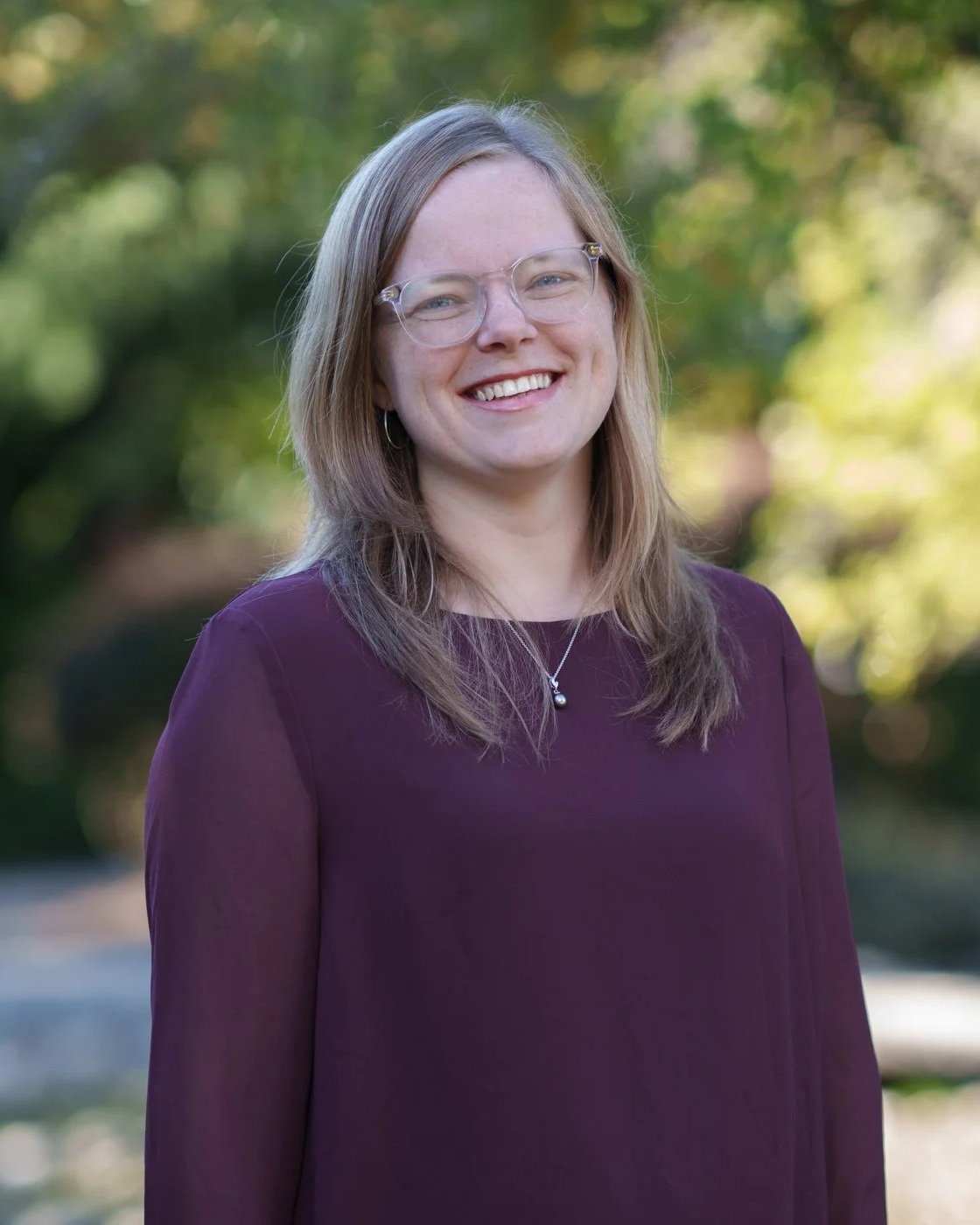
Hi, I’m Emily.
I hail from Ōtautahi Christchurch but have spent the past 11 years working in audiology in Te Ūpoko-o-te-Ika, the greater Wellington region. Since moving to sunny Motueka in 2026, I have continued working as an audiologist at a small independent clinic, along with starting this auditory processing clinic, seeing adults and children from 6 years and above (for now, younger ages to come).
I have enjoyed assisting a range of ages with their hearing over the years and have always had an emphasis on helping people feel heard and supported, listening with empathy and providing clear information.
In addition, I have a passion for children experiencing the joy of learning in an environment where they feel loved and understood. Labels such as ‘APD’ (when appropriately diagnosed) can be very helpful to avoid the negative labels children can give themselves or sometimes are given by family or teachers. As someone with late-diagnosed ADHD, I know this scenario well.
I'm a Mum to 3 gorgeous young boys, meaning my other areas of expertise include multi-tasking, creative problem-solving, and making up songs about mundane daily tasks.
Qualifications:
MNZAS - Member of the New Zealand Audiological Society
MAud(dist) - Master of Audiology with distinction
MusB - Bachelor of Music (focus on aural skills and theory)
Why “Kea”?

One of the most common parts of life that can be affected by an auditory processing disorder is hearing in the presence of background noise. Surprisingly, some people studied the hearing of keas (only three of them but I’m not suprised - I don’t imagine they are easy to test!) and discovered that they have some natural ability to filter out background noise and focus on the certain pitches (which happen to be the pitches most important for the clarity of human voices). It is suspected that this has developed due to being around windy alpine environments, meaning they need to be able to hear sounds such as other kea and threatening sounds without the distraction of the wind. Ultimately, for many people with auditory processing issues, this is exactly what we are aiming for! Helping the brain to focus on the important sounds and interpret them accurately.
In addition, kea often fade into their surroundings when perching somewhere, but when they take flight their beautiful colours are shown off under their wings. Our hope at Kea Audiology is that people with auditory processing issues would be able to spread their wings and let their true personalities shine, as they learn to understand themselves better and/or receive the assistance they need.